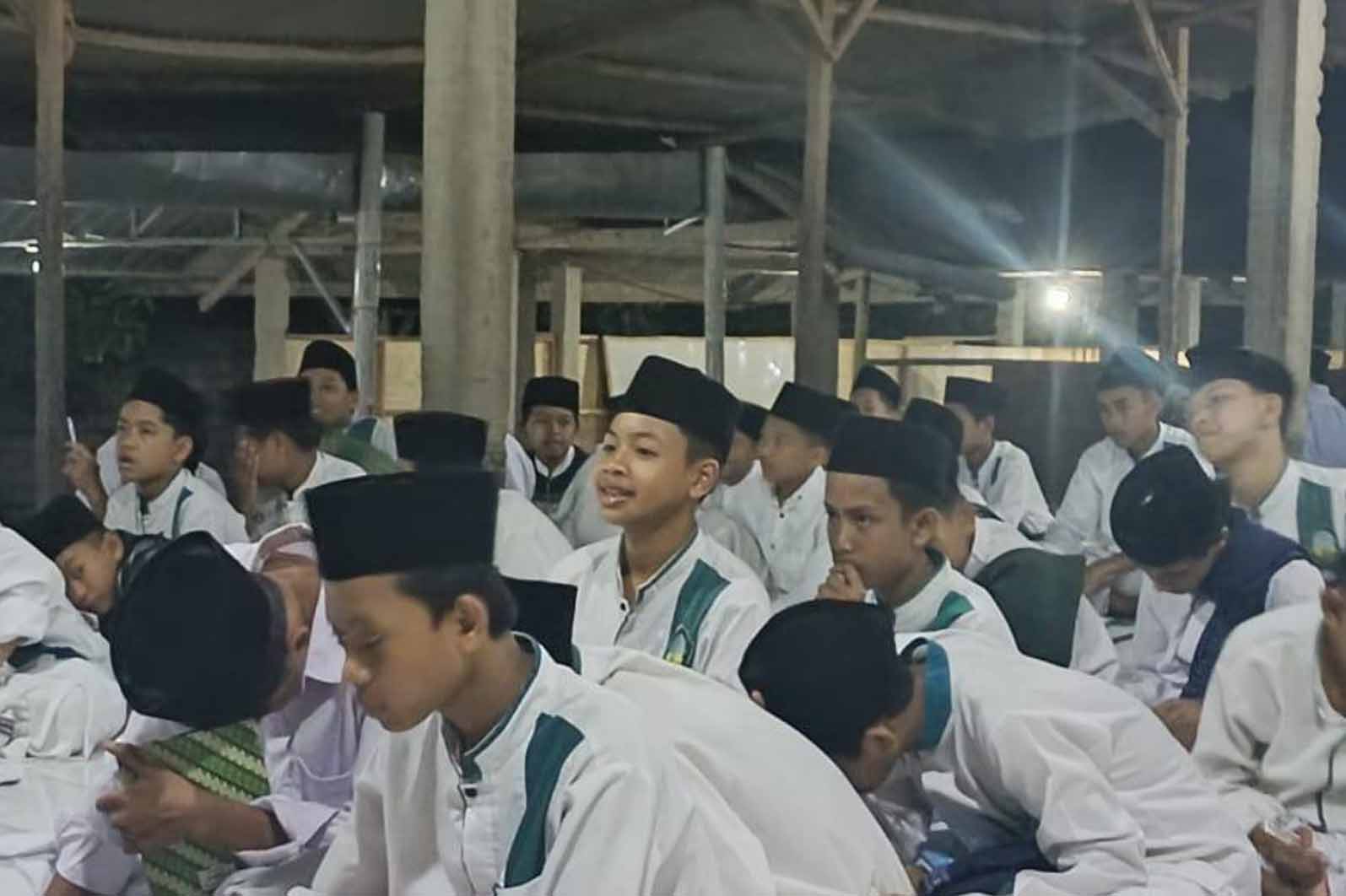
Identity Politics And Social Movements At Pondok Pesantren Syarif Imamuzzahidin In Barabali Central Lombok
Abstract
Politics is an inevitability, understood as a form of struggle to gain or a method to attain power. This inherently requires movements capable of influencing and guiding towards specific goals, including the use of identity politics. In this context, Islamic boarding schools (pondok pesantren) also possess a political dimension in their governance, including the development of administrative sectors within the pesantren. Furthermore, pesantren are often arenas for competition to gain legitimacy in political battles. Pesantren are seen as upholding ethical values within the authority of the Kiai or foundation leaders in providing guidance. Consequently, many pesantren become involved in the political arena. Pesantren also have their own movements to influence the community in their development process, supported by shared identity values that aid in exerting such influence, which is identity politics. Additionally, the leaders of pesantren typically have significant charisma that can influence the community and enhance the marketing for new students. This is exemplified by Pondok Pesantren Syarif Imamuzzahidin in Kelanjuh, Barabali Village, Central Lombok.
Downloads