Vol. 1 No. 1 (2024): Social and political movements of Pondok Pesantren in West Nusa Tenggara
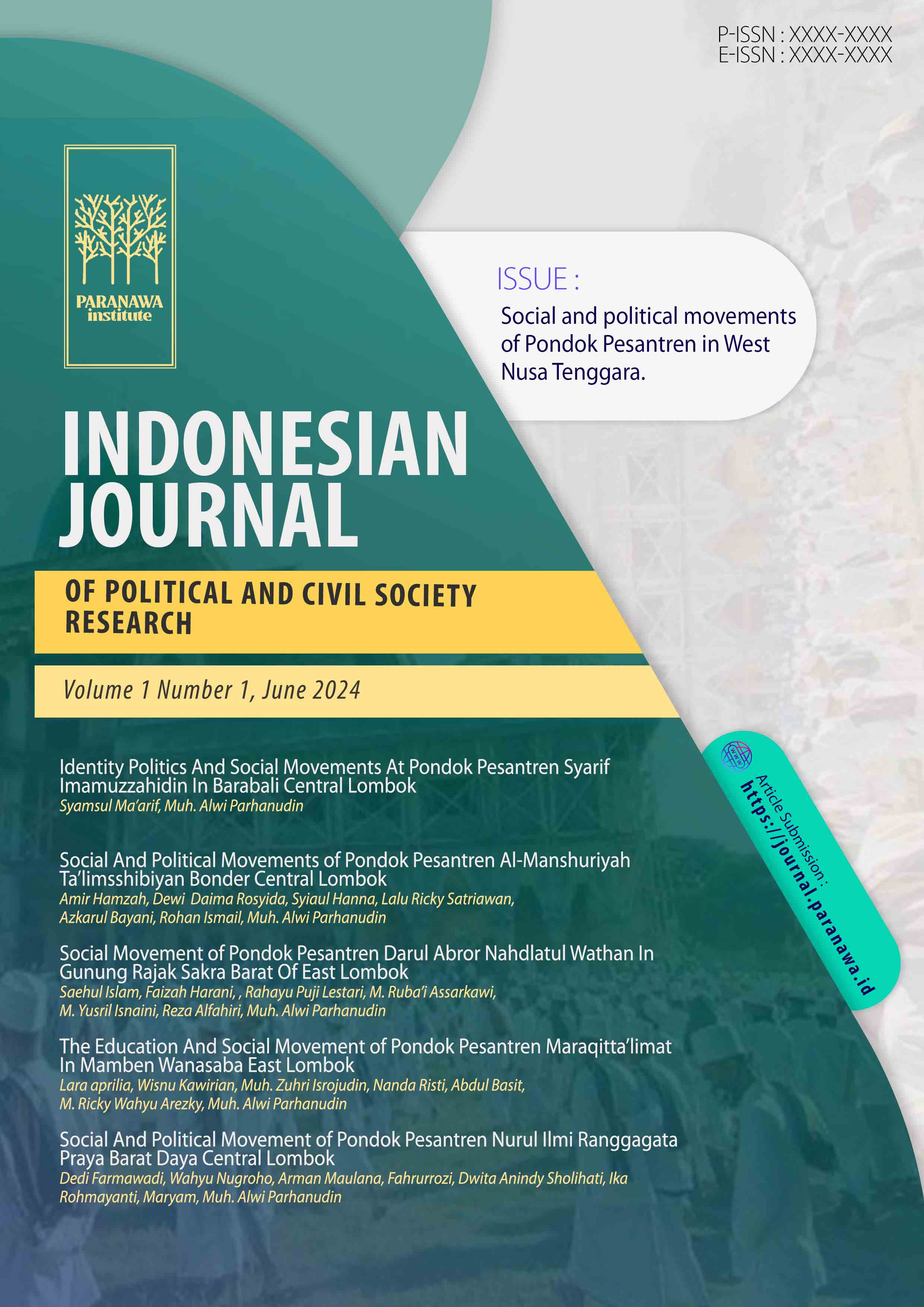
With pride and admiration, we present to you The Indonesian Journal of Political and Civil Society Research, a dedicated intellectual platform aimed at exploring the profound dimensions of social and political movements within the context of Pondok Pesantren. As spiritual and educational foundations, pondok pesantren play an invaluable role in shaping the identity, values, and worldviews of communities across various corners of the globe, especially in Indonesia.
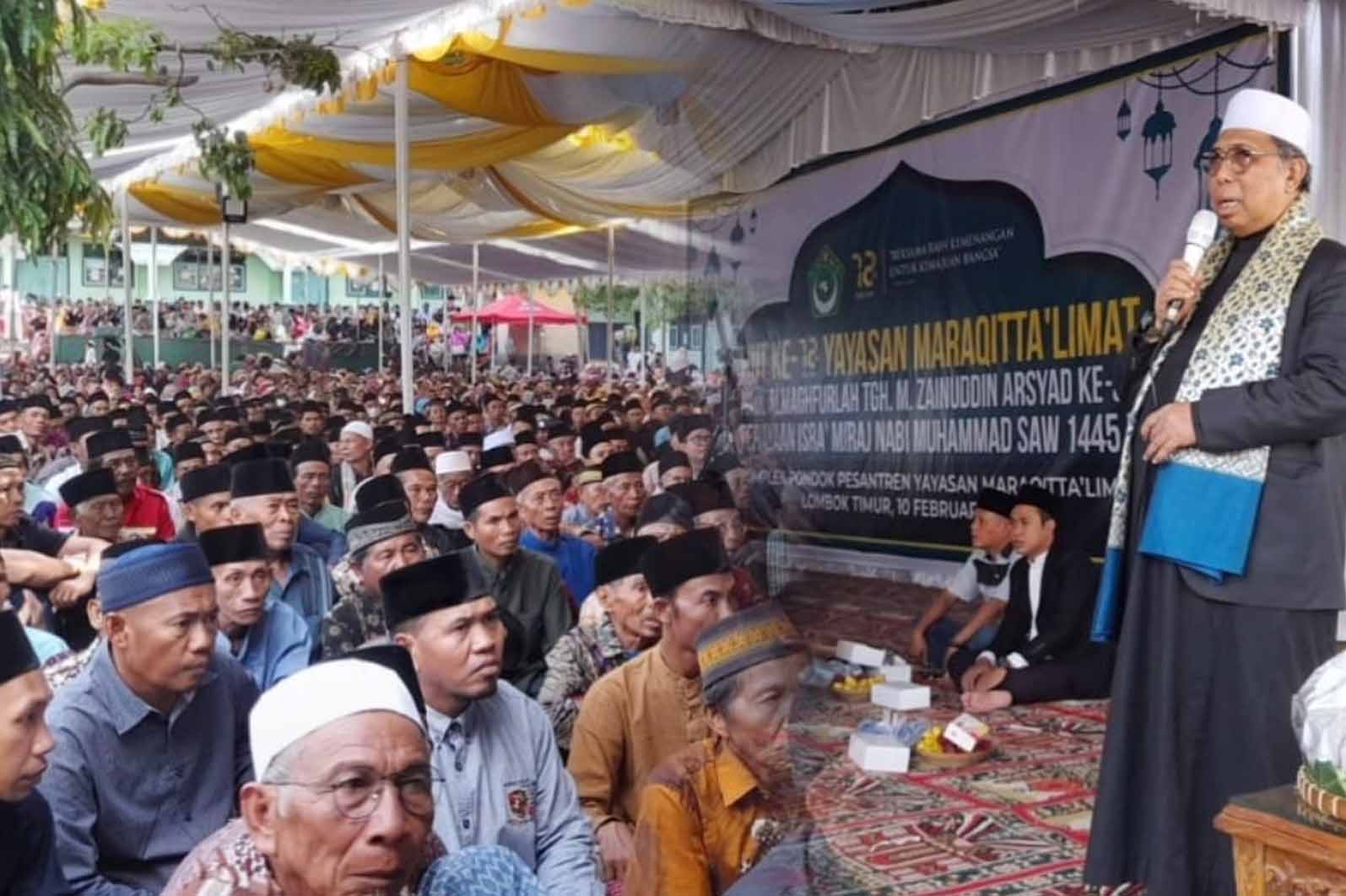
Pondok pesantren have long been integral to Indonesia's socio-political landscape. These institutions, deeply rooted in religious teachings and traditional values, have not only served as centers for religious education but have also played significant roles in shaping social and political movements across the archipelago.
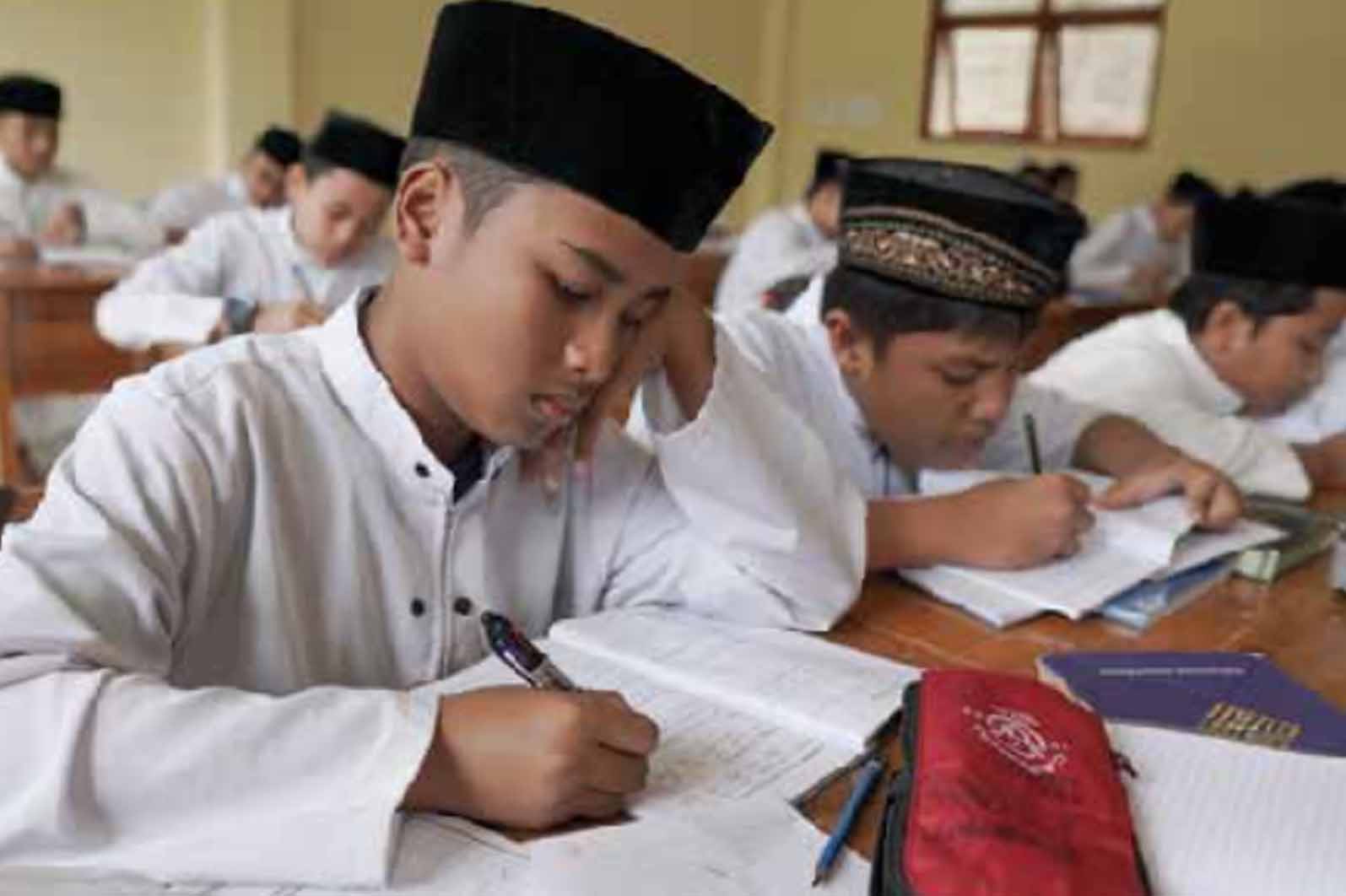
One of the primary contributions of pesantren to social and political movements in Indonesia lies in their ability to produce a cadre of educated individuals with strong religious convictions and a sense of social responsibility. Students of pesantren undergo rigorous religious studies, which often include discussions on ethical behavior, social justice, and community service. This educational environment fosters a deep commitment to social welfare and encourages students to actively engage in efforts to address societal issues.
Moreover, pesantren have historically served as centers of resistance against colonial rule and authoritarian regimes. During Indonesia's struggle for independence, many pesantren leaders and students actively participated in the fight against colonial powers, advocating for self-determination and national sovereignty. Similarly, during periods of political repression, pesantren often provided refuge for dissidents and intellectuals, offering a safe haven for those seeking to promote democratic ideals and human rights.
Furthermore, pesantren have been instrumental in promoting grassroots activism and community empowerment. Through their extensive networks and influence at the local level, pesantren leaders have been able to mobilize communities to address various social and political issues, such as poverty alleviation, environmental conservation, and interfaith dialogue. By empowering ordinary citizens to take charge of their own destinies, pesantren have helped to democratize Indonesia's civil society and foster a culture of active citizenship.
In addition to their grassroots activism, pesantren have also exerted influence at the national level through their involvement in political parties and civil society organizations. Many prominent political figures in Indonesia, including former presidents and government ministers, have emerged from pesantren backgrounds, bringing with them a unique perspective shaped by Islamic teachings and values. Moreover, pesantren-affiliated organizations, such as Nahdlatul Ulama (NU), Muhammadiyah, and Nahdlatul Wathan have played key roles in shaping public policy and advocating for the rights of marginalized groups.
In conclusion, the contribution of pesantren to social and political movements in Indonesia cannot be overstated. These institutions have not only produced generations of religious scholars and leaders but have also served as catalysts for change, promoting social justice, democracy, and human rights. As Indonesia continues to navigate its path towards development and democracy, pesantren are likely to remain influential actors in shaping the country's socio-political landscape for years to come.
Paranawa Institute Journal invites you to delve into analyses, reflections, and thought-provoking discussions on how Islamic boarding schools serve as primary stages for social and political movements. From in-depth studies on the roles of Islamic scholars (kyai) in decision-making processes to the dynamic relationships between Pondok Pesantren and political powers, we present a diverse array of articles exploring various facets of this complex phenomenon.
Through this journal, we hope to inspire deeper dialogue, foster broader understanding, and encourage critical reflections on the roles of pondok pesantren within contemporary social and political dynamics. We also aspire for this journal to serve as a valuable reference for academics, practitioners, and policymakers interested in this field.
Our heartfelt thanks go to the authors who have contributed their quality articles and to the editorial team and reviewers who worked diligently to present this journal to you. Without our collective efforts, this achievement would not have been possible.
Enjoy the reading, may Paranawa Journal provide valuable insights and inspire meaningful actions toward the advancement of inclusive and sustainable social and political developments.
Articles
-
 Articles Open Access Published 5 June 2024
 -
 Articles Open Access Published 5 June 2024
 -
 Articles Open Access Published 5 June 2024
 -
 Articles Open Access Published 5 June 2024
 -
 Articles Open Access Published 5 June 2024